



Raising livestock at home
The smallholder farmer
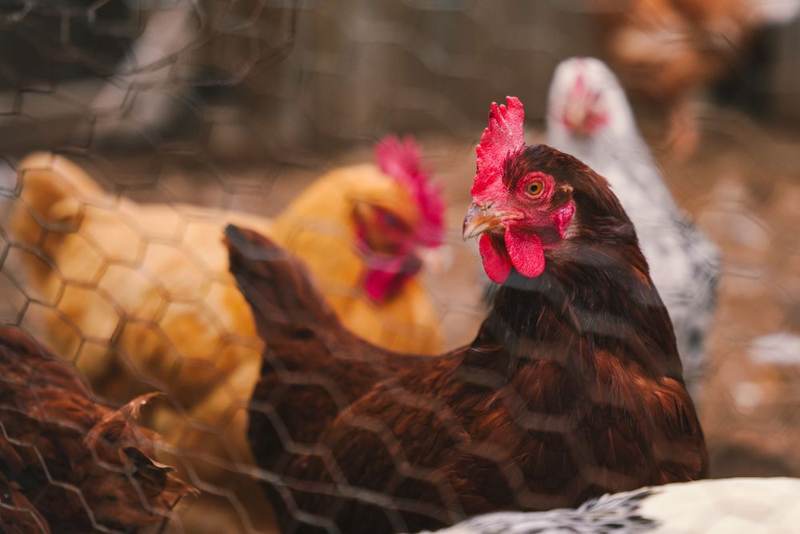
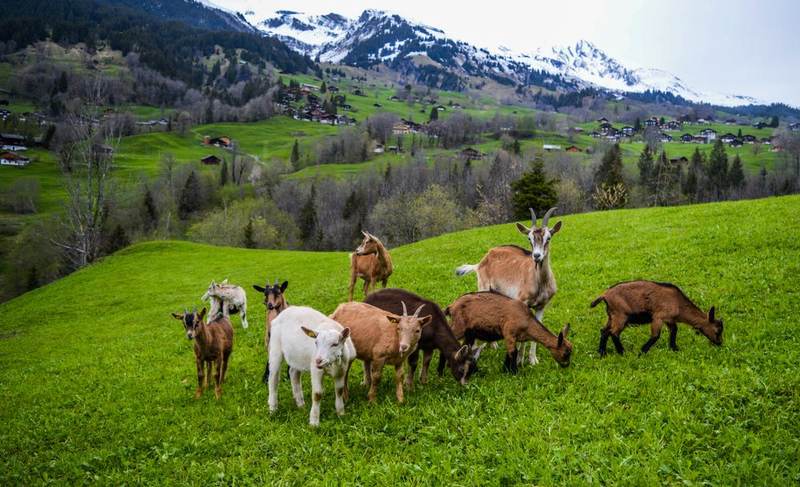
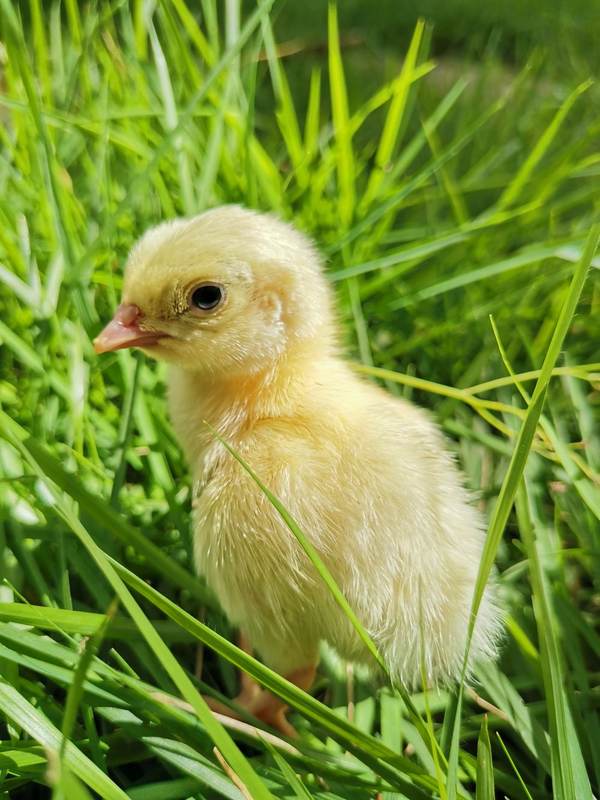
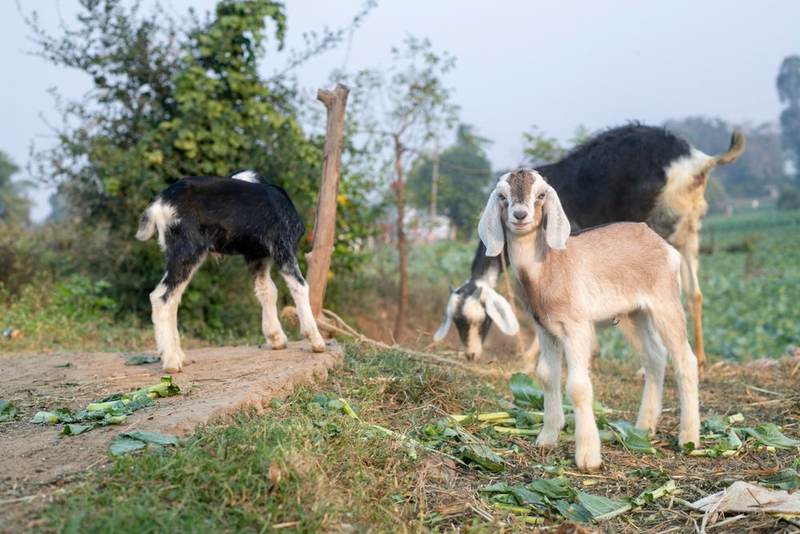
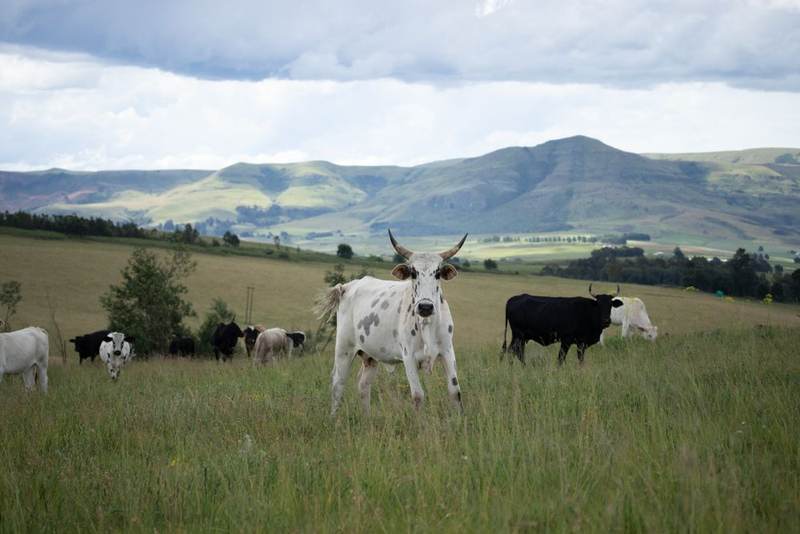
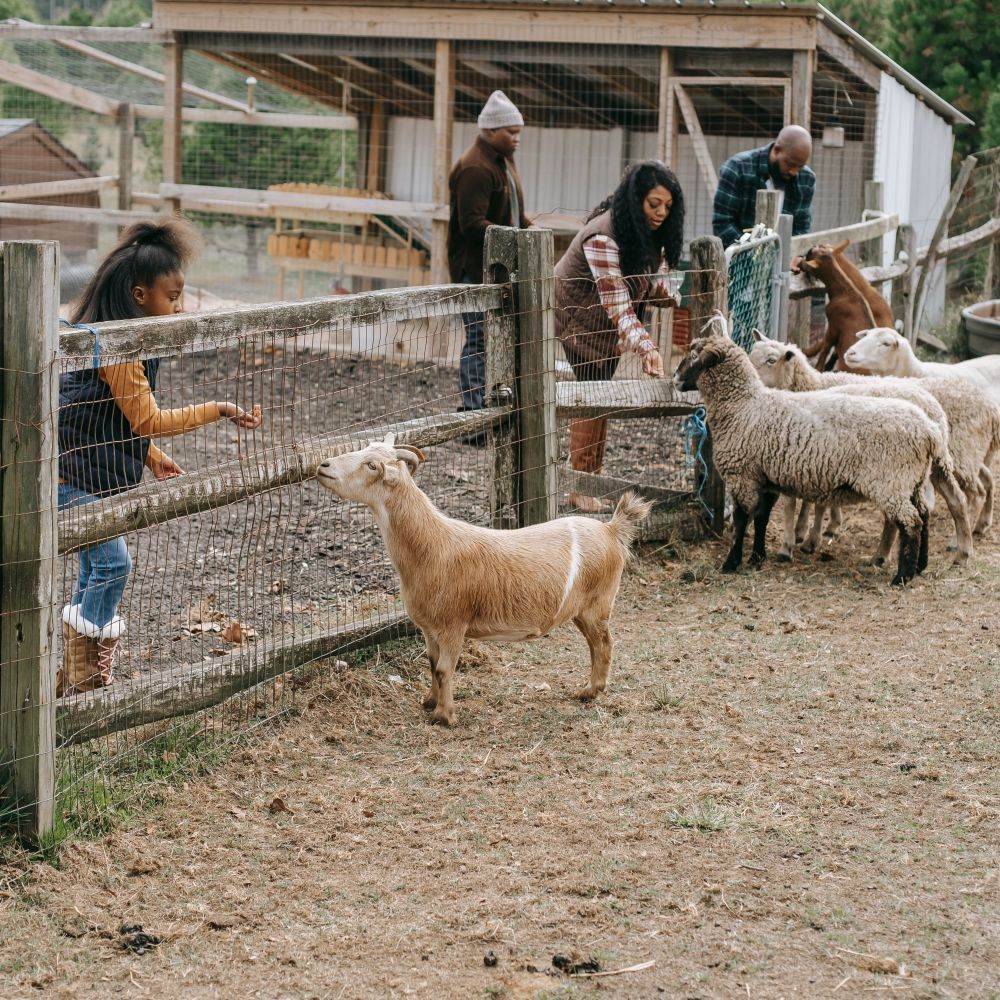
Keeps a few chickens and a goat behind the house — and wants to lose fewer animals and sell the rest, not just feed the family.
Learning for every African · pilot forming
Practical courses that turn what's around you into food and income — raising chickens, goats and cattle, crops that sell, and more. Taught step by step for every generation, even if you left school long ago. Free to learn, on your phone, even offline.
Start with what's already around you — the areas most likely to put food on the table and money in hand.
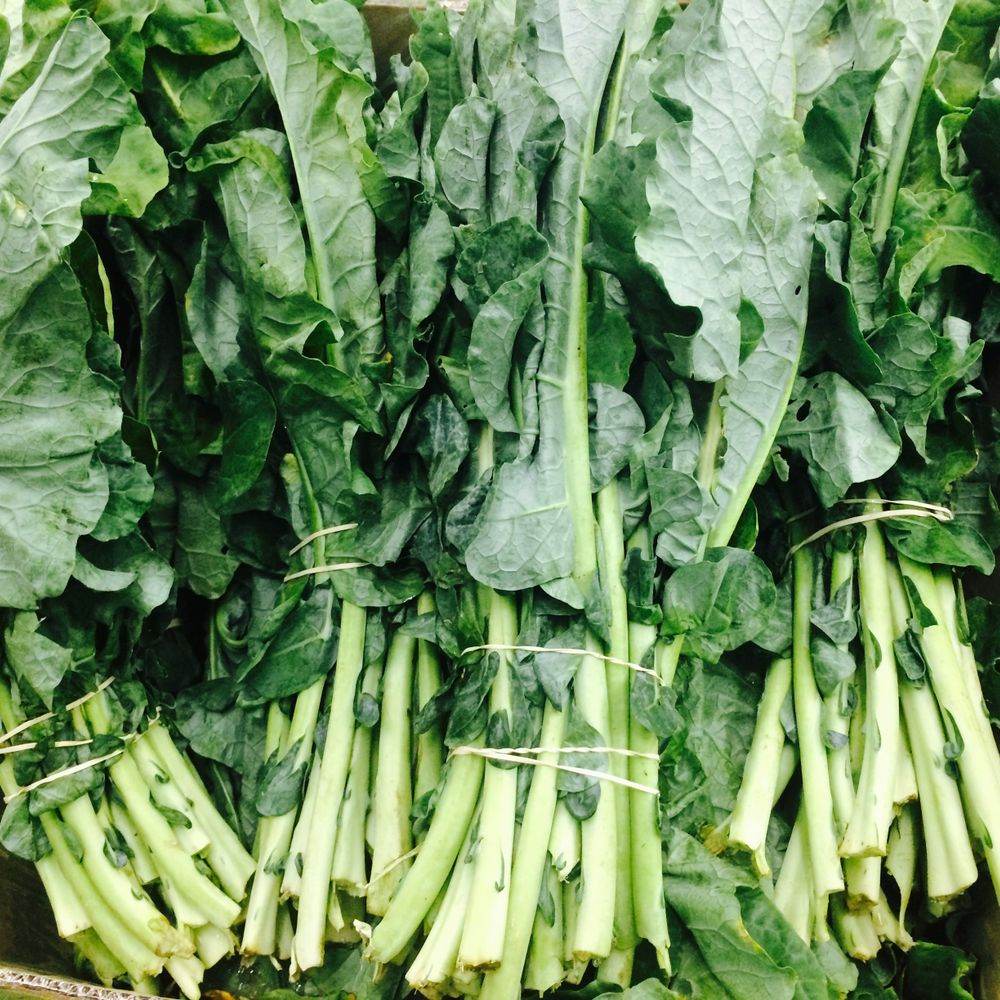
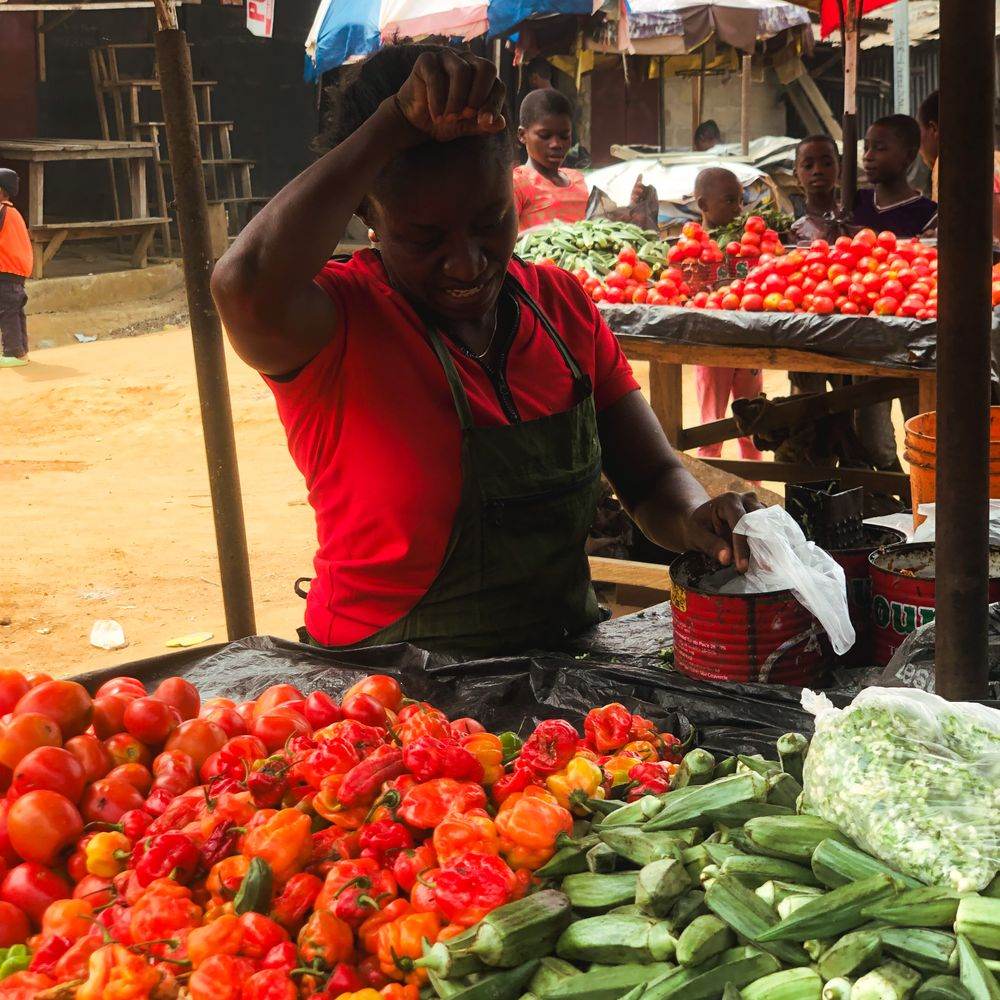
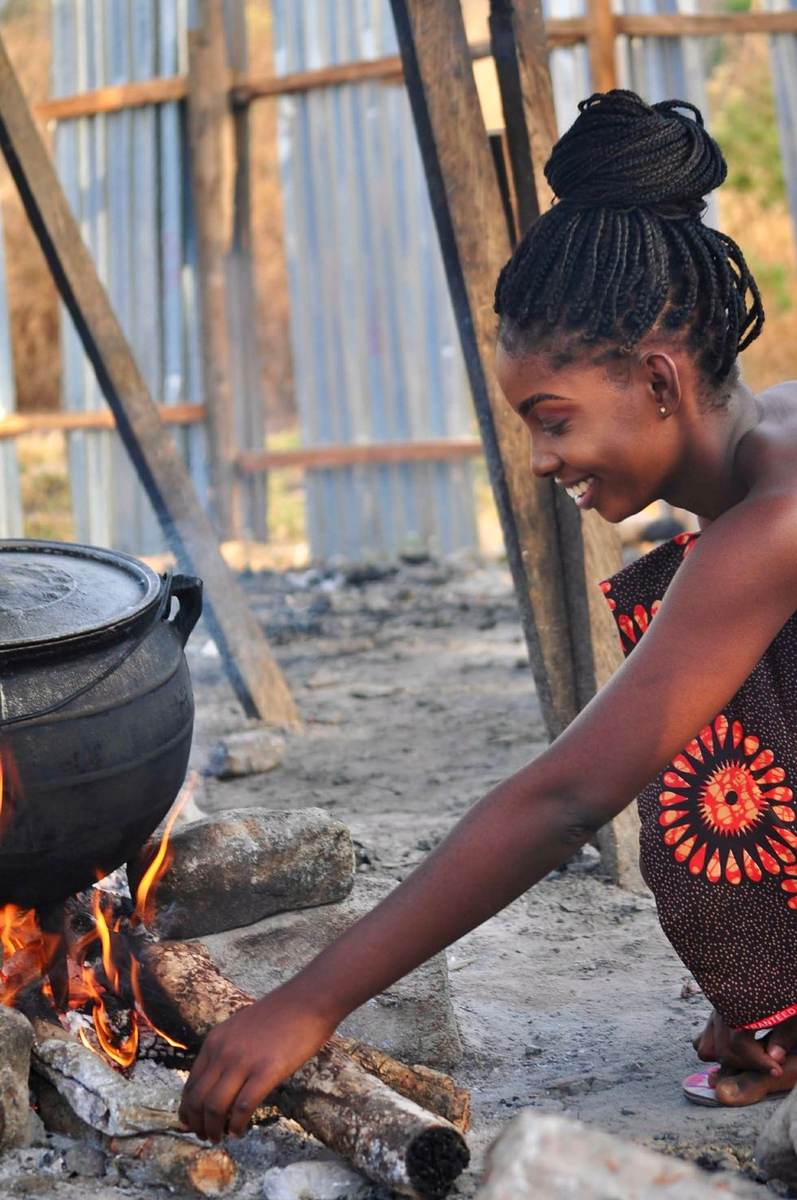

The most-requested skills — what we're building at the front of the pilot.
Signal is expensive and patchy. So uni is built the other way round — download a course on one bar of signal, then learn with no connection at all.
The catalogue · curated & growing
One course is live now; the rest are what we're building next. Pick a category, or search above — and join the waitlist to vote on the order.
No courses match that search yet. Try another word, or ask us to build it.
Curated, not crowdsourced — every course is built with people who do the work, and checked before it ships. The catalogue grows every season, and waitlist members vote on what comes next.
Built from primary sources you can check — every number carries its source and year
Not the already-connected professional — the people formal learning usually leaves out. If you can use a phone, you can learn.
Keeps a few chickens and a goat behind the house — and wants to lose fewer animals and sell the rest, not just feed the family.
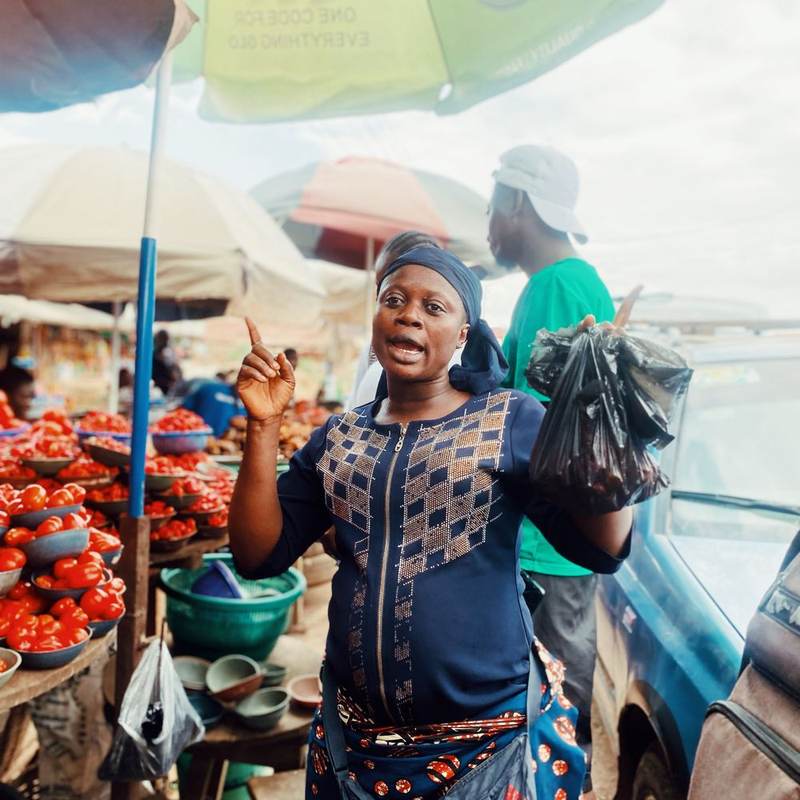
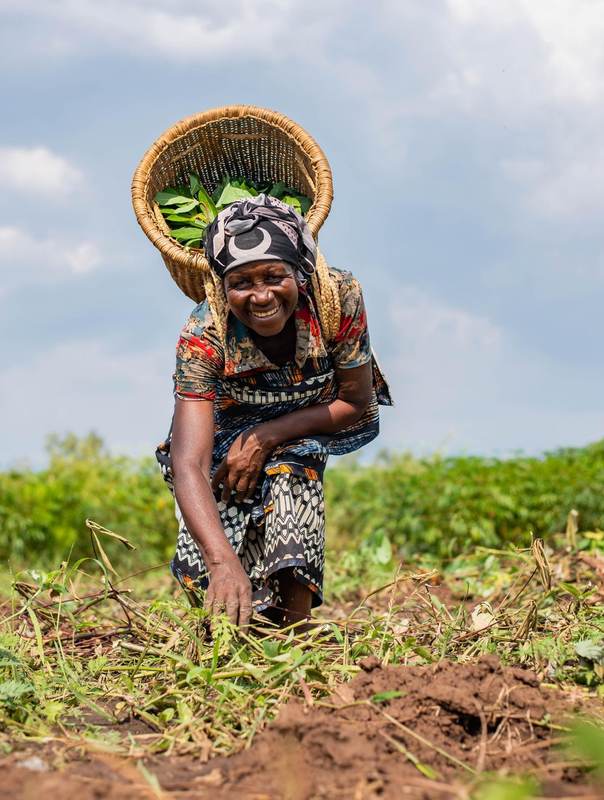
Sells vegetables at the market but rarely knows the real costs — and wants to price right, keep records, and use mobile money without fear.
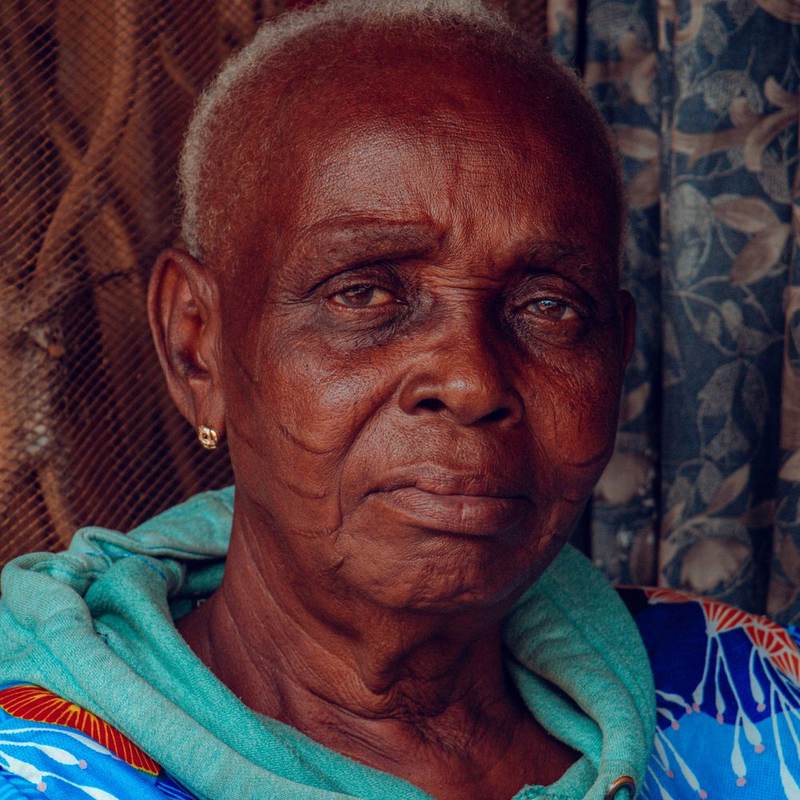
Left school years ago and assumed learning had passed them by — until short lessons in plain language, on their own phone, made it possible again.

Between jobs, looking for a real skill to start with little money — poultry, solar, selling online — and a certificate to show for it.
Learning is always free. If you want proof for an employer, a co-op or a loan officer, add a verifiable certificate with a public link anyone can check — a small one-off fee by M-Pesa.
Understand the continent, from sources you can check. 6 modules · 36 lessons.
Practical trades and agriculture, assessed and certified — poultry, solar and more.
A real path for the millions who leave secondary school early because of cost.
Short courses stack into a livelihood. Follow a path from first lesson to selling with confidence.
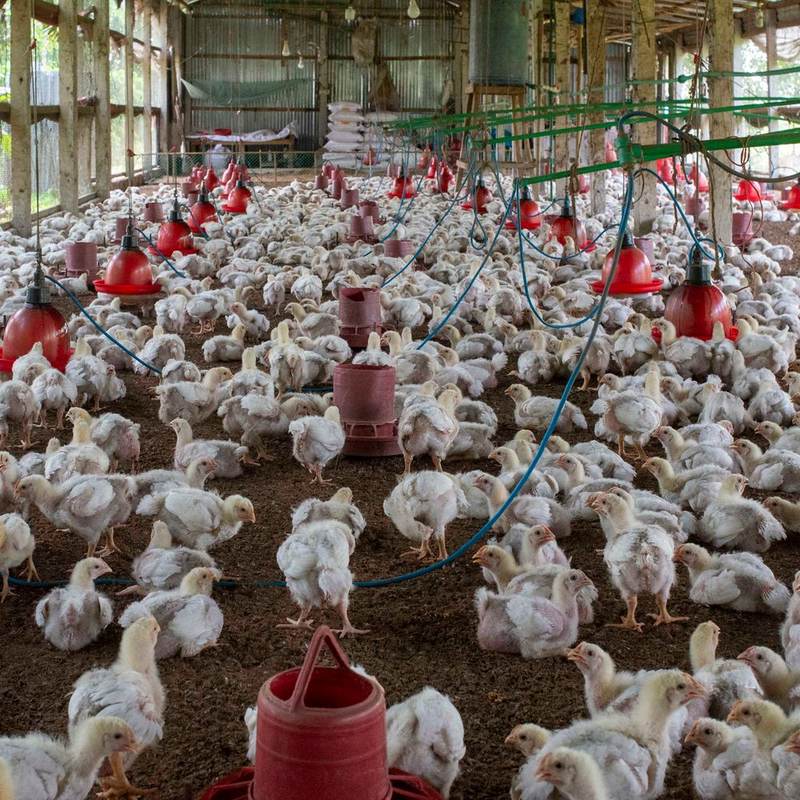
From a few birds to a small business
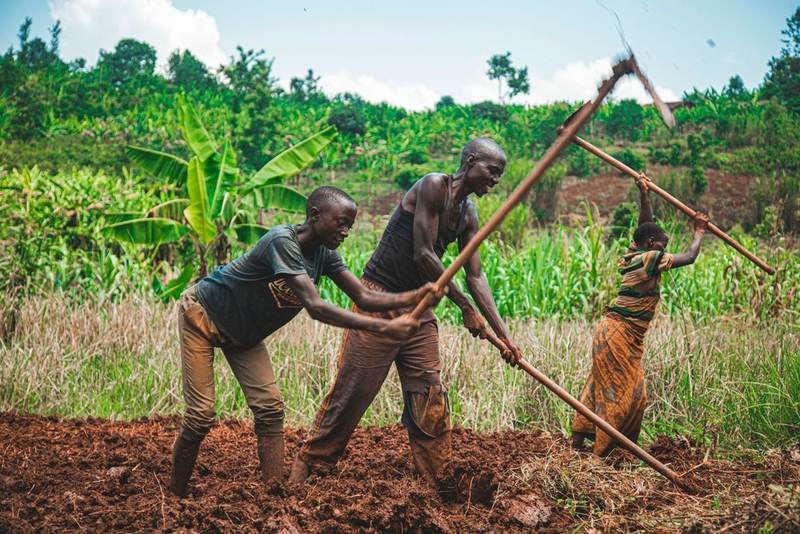
Grow food that sells, waste less
Sell smarter, keep more of what you earn
The skill people ask for most — low startup cost, quick returns, and it works almost anywhere.
How uni works
Every course comes with an AI tutor that knows the material. Ask in plain words — no need for perfect English or a keyboard you love.
My chicks are dying — what should I check?
Newcastle spreads fast — here's how to spot it and prevent it…
How much should I sell my goats for?
Start from your costs and the going market rate. Let's work it out…
A tutor that knows the material — answers in plain language, even offline.
The pilot cohort
Leave your mobile number and we'll text you the moment the pilot opens. Early members are invited first, get founding-member pricing on certificates — and vote on which course we build next.
Questions, answered
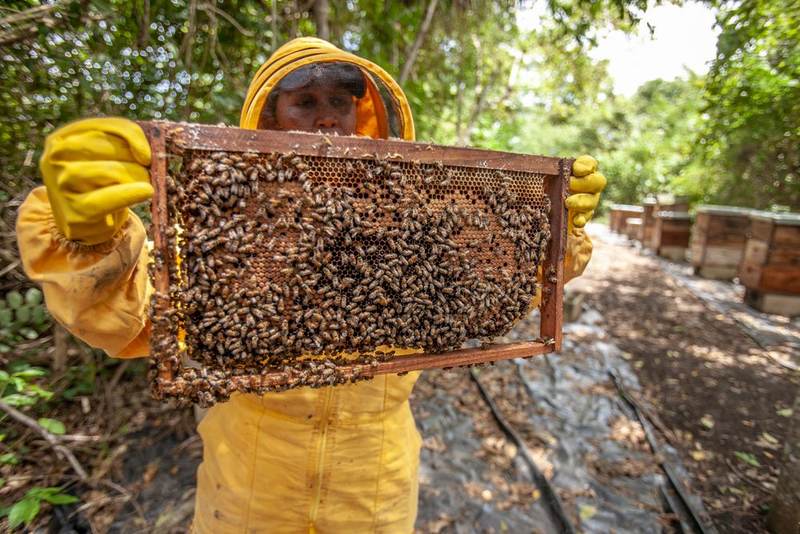
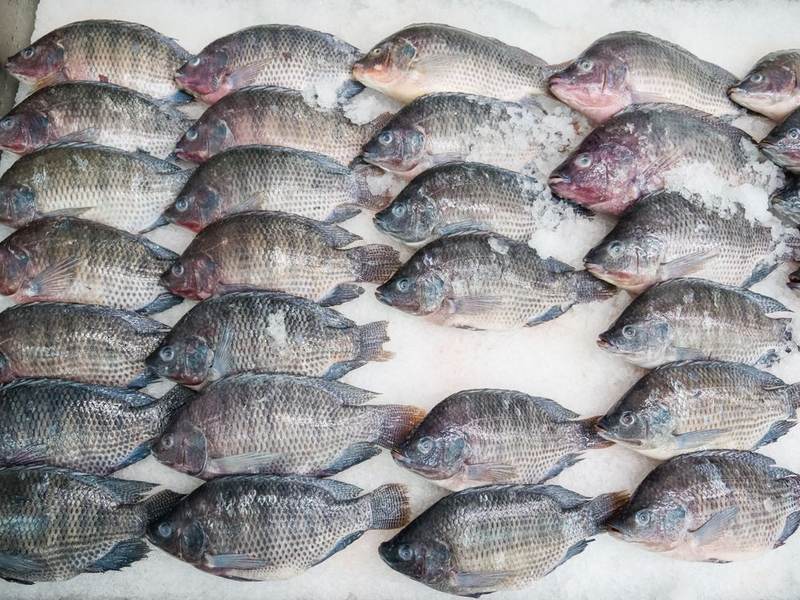
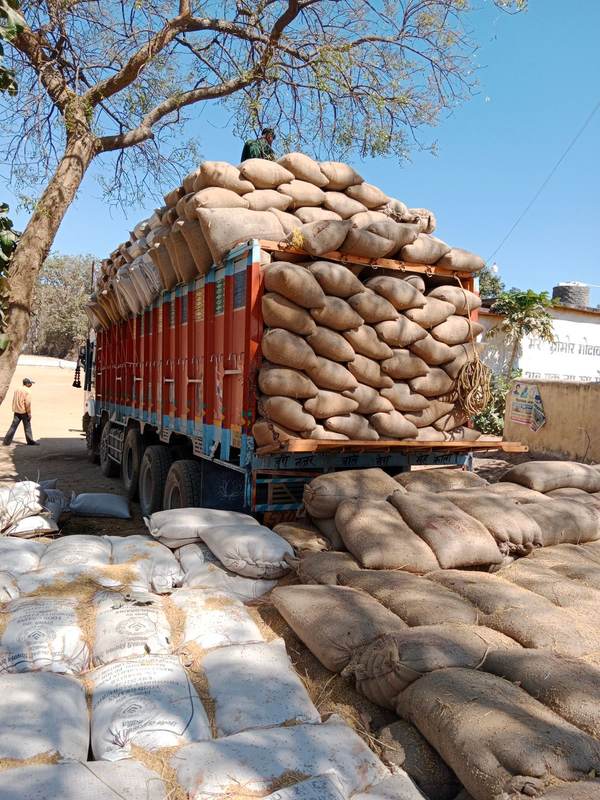
Practical, income-generating skills come first — built on what's already around you. Livestock: local chicken, goats, zero-grazing dairy, beekeeping, fish ponds. Crops: market gardening, moving from subsistence to selling, post-harvest storage. Value addition & trade: food processing, pricing and records, savings and mobile money. Modern and formal courses — digital skills and the Pan-African Certification — are there too, in a smaller way. The catalogue is curated, not crowdsourced, and waitlist members vote on build order.
Yes — especially. uni is built for people outside formal education, including older learners. There's no entry exam and no degree needed. Lessons are short, in plain language, with clear steps and pictures, and an AI tutor you can ask in your own words. If you can send a text message, you can take a course.
Learning is free — every lesson, forever. You pay only if you want a certificate: a small one-off fee in local currency, by M-Pesa. An optional uni Pro subscription adds an unlimited AI tutor and every certificate. We're setting the exact prices with pilot learners — waitlist members get founding-member pricing first.
With WiFi or signal, uni downloads a course as a small pack — text-first lessons of about 0.5 MB each, less data than a minute of video. After that, lessons and quizzes run entirely on your phone; your progress syncs automatically next time you're online.
Straight answer: the tutor needs a connection to reply. You can still ask offline — your question waits on your phone and is answered the moment you reconnect. Lessons and quizzes never need a connection once downloaded.
Any recent Android — 3 GB of RAM is plenty, so a Tecno Spark, Infinix Hot or Samsung A-series works well. No laptop needed. iPhone comes after launch.
A small pilot cohort forms first; invitations go to the waitlist by SMS, and a wider launch follows. uni is for learners 18 and over at launch.
One thing only: we text you about uni's launch — a handful of messages at most. We never sell or share it, and we delete it on request: privacy@uni.africa.